Story
“The crystals’ low hum is a language.” You said it, and they laughed. Now the one who speaks it wakes beneath Tokyo. Will you protect the city, or the kaiju?
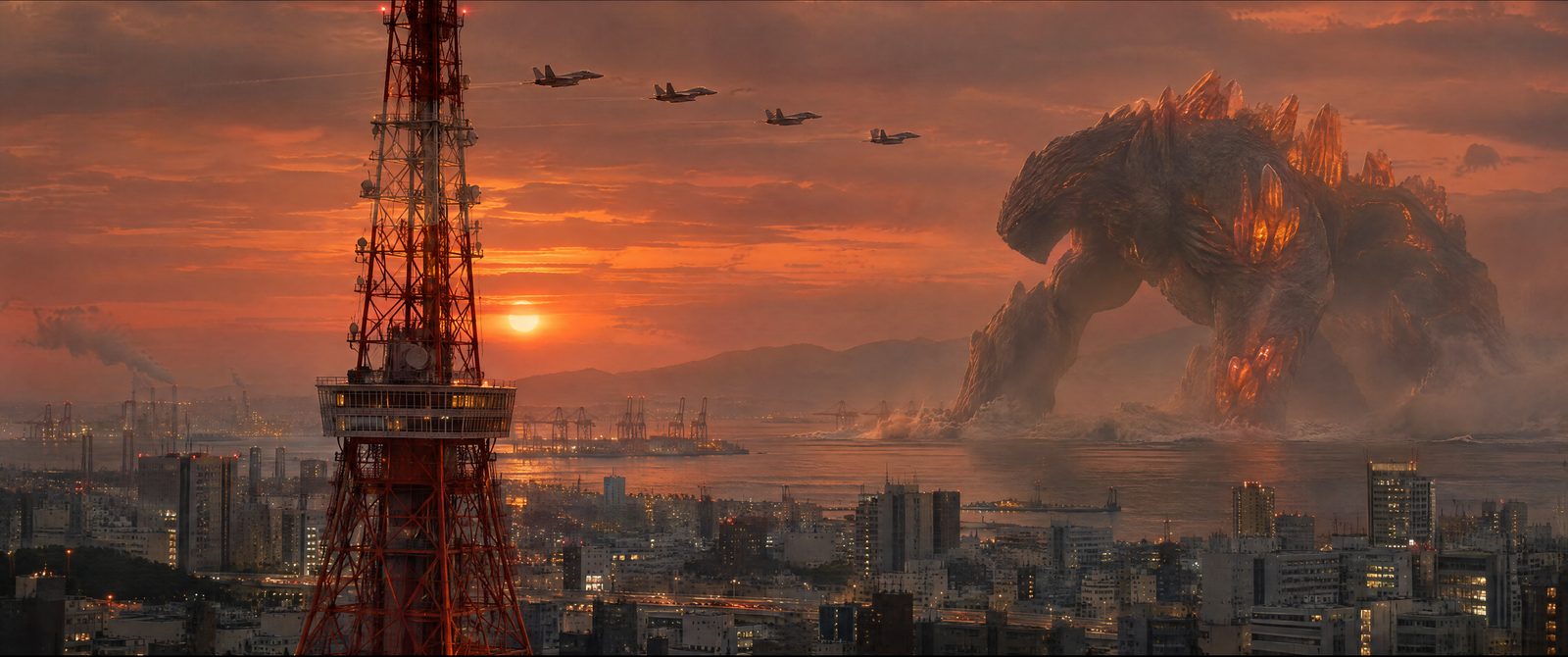
KAIJU TOKYO — CHILDREN OF THE CRYSTAL
Talk to it and the kaiju moves. 12 episodes, 10 endings. No sign-up, play right away. Launch gift: one free 10-pull on the Crystal Gacha.
Launch gift: one free pull with a guaranteed ★5 kaiju (once per registered account, until Dec 22)
Launch gift: one free 10-pull on the Crystal Gacha (once per registered account, until Dec 31)
Opening theme "Kaere, Tokyo" and ending theme "Sayonara Tokyo" are now in the story.
Story mode KAIJU TOKYO — CHILDREN OF THE CRYSTAL is out: 12 episodes. Episode 1 needs no sign-up.
Ginza free play is out. Free, no sign-up.
KAIJU TOKYO — CHILDREN OF THE CRYSTAL is the 12-episode story of KAIJU TOKYO, a 3D kaiju game that runs in the browser. As a researcher at Lab 7 you keep choosing between the crystal kaiju that appear in real cities, the command post and six pilots, and your choices and mission results lead to one of 10 endings. It is run by AI BunCho (bun-cho.work) and plays in phone and PC browsers without installing anything.
“The crystals’ low hum is a language.” You said it, and they laughed. Now the one who speaks it wakes beneath Tokyo. Will you protect the city, or the kaiju?
From beneath Tokyo Station to right above the floor of Tokyo Bay. The people who face the crystal anomalies work in the same block.
Lab 7, the command post, the fighter squadron and the pilots of six robots. How you talk to them changes who you grow close to and what happens after the ending.
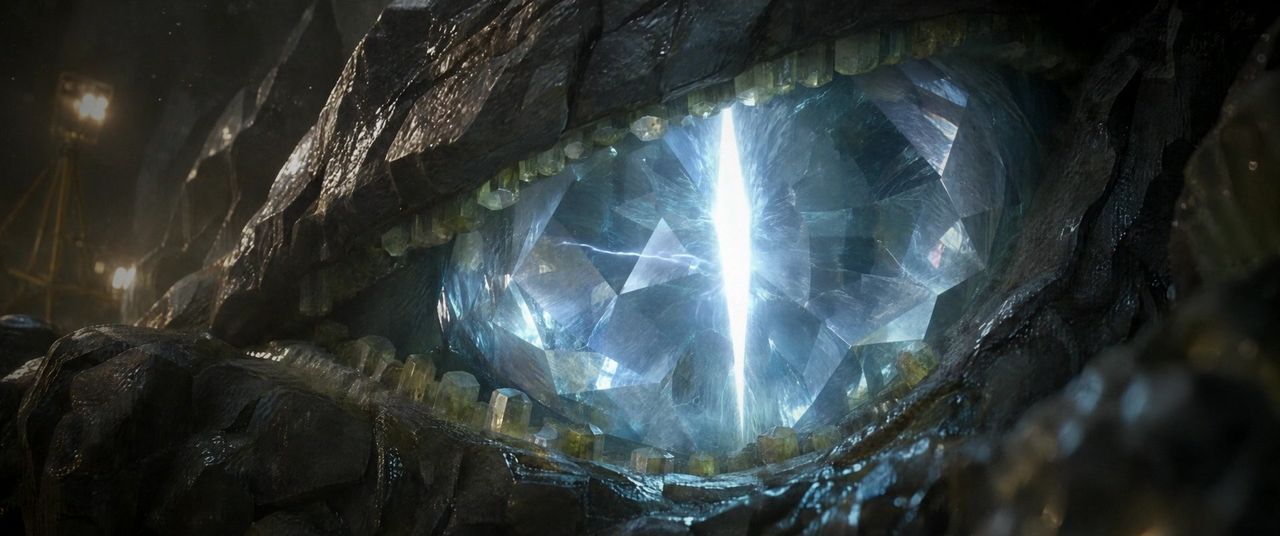
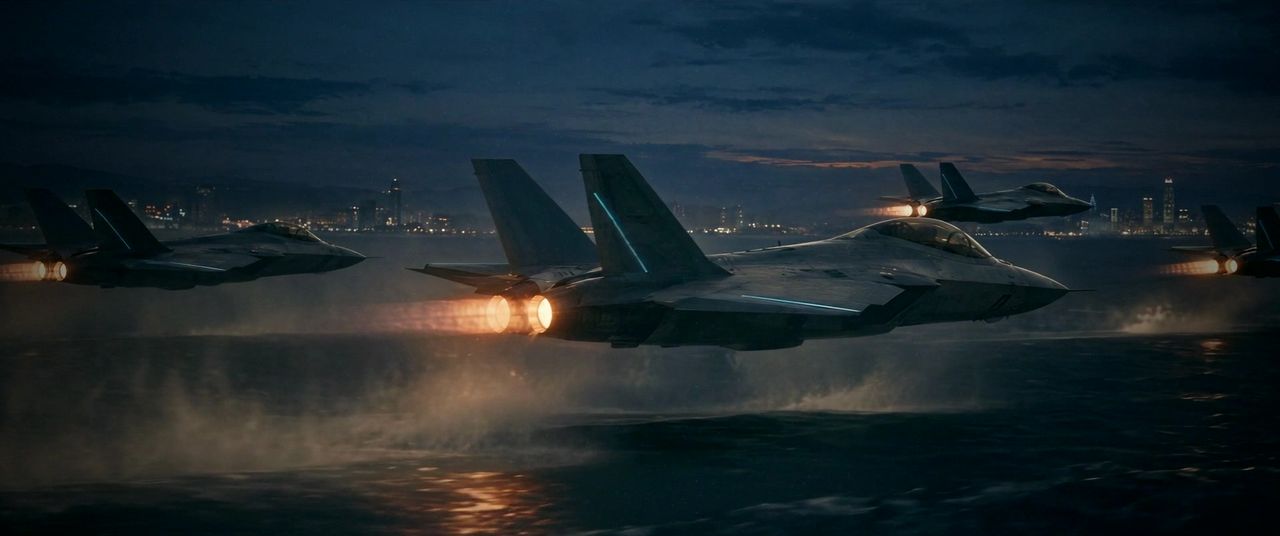
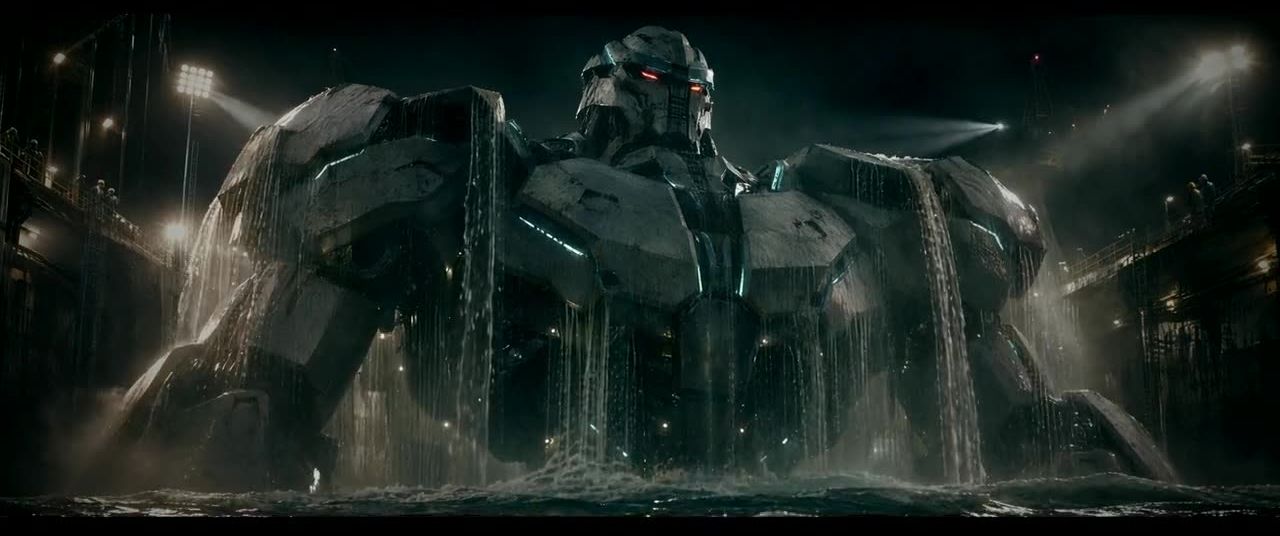
Crystal beasts rise from under Tokyo and from the sea. Six robots and a fighter squadron stand against them.
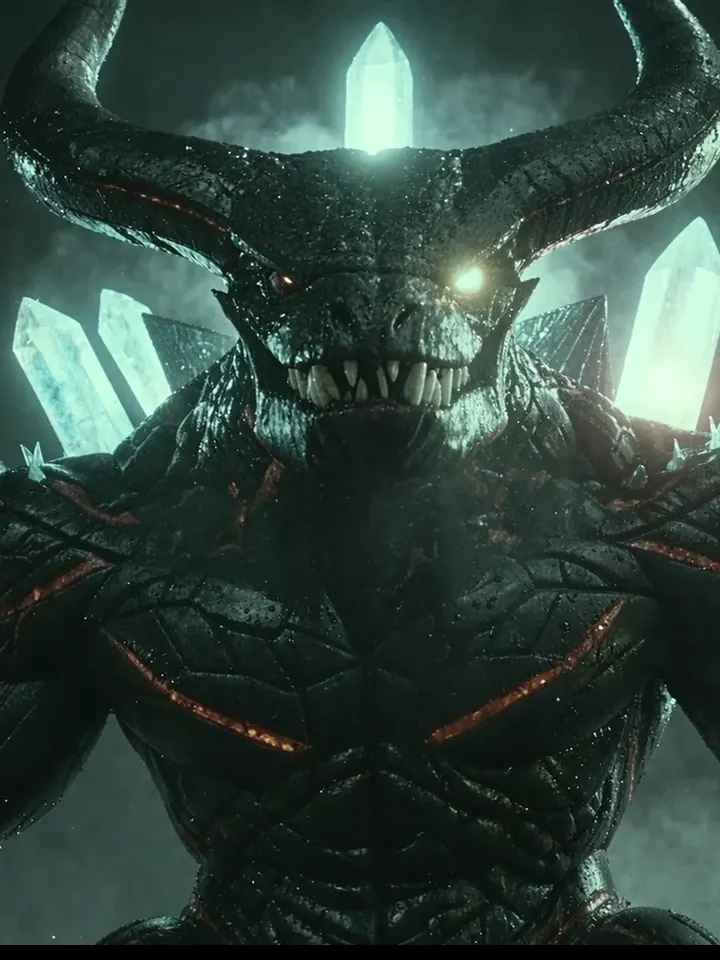
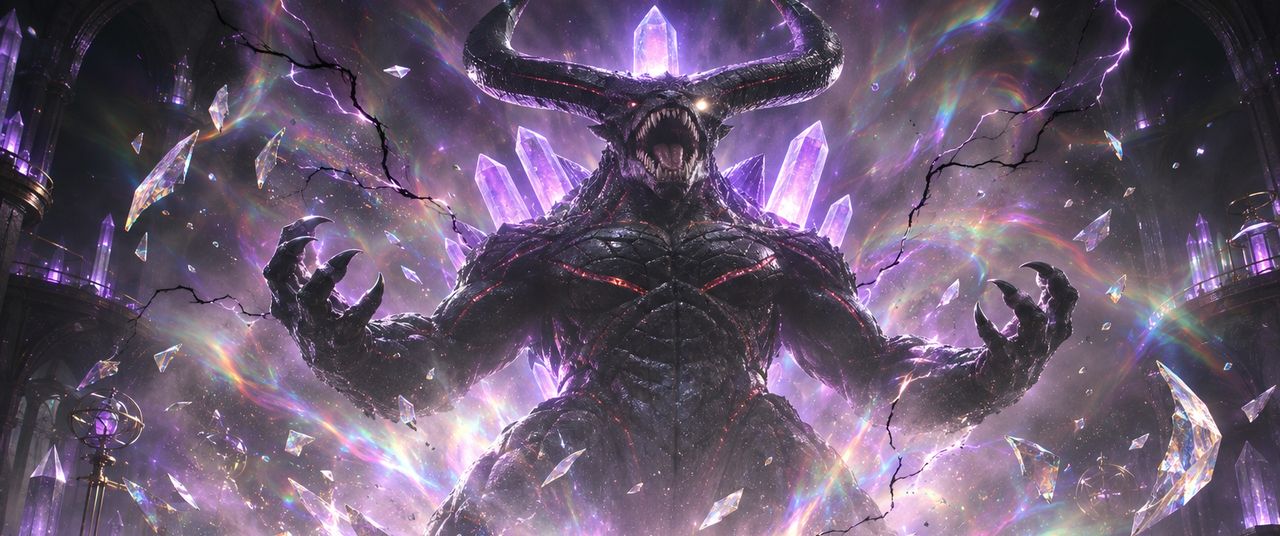
Guardian of the Mother Crystal
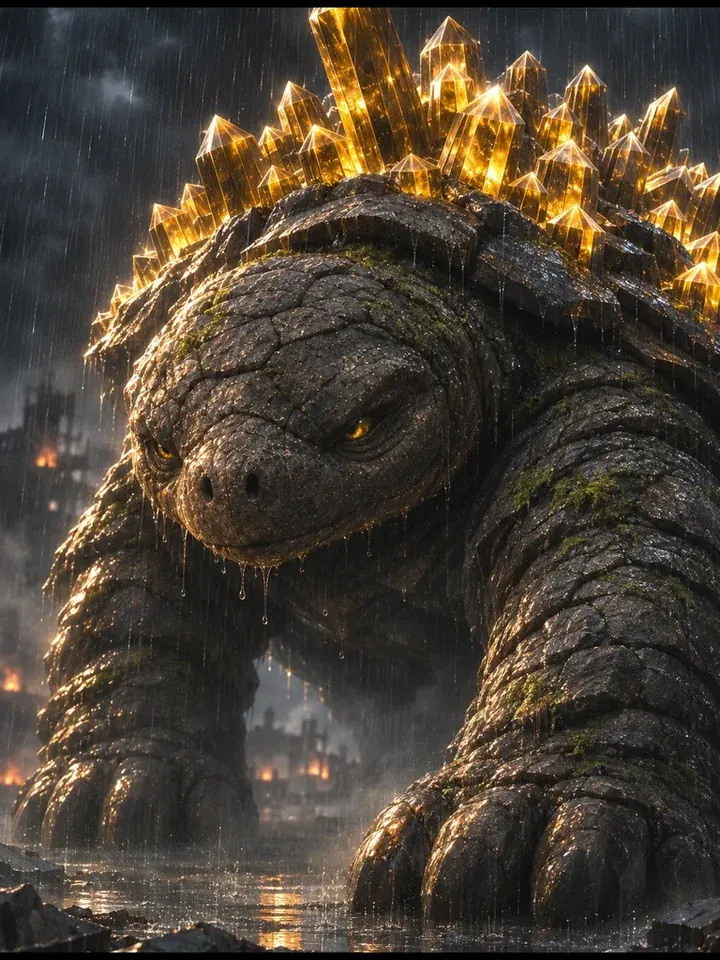
The youngest crystal beast
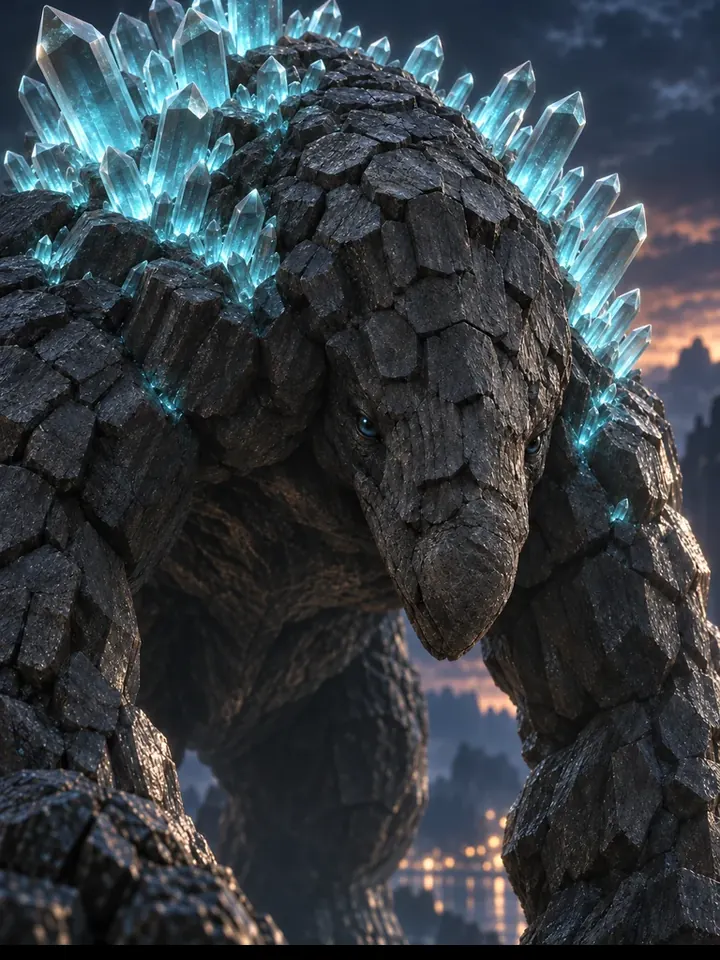
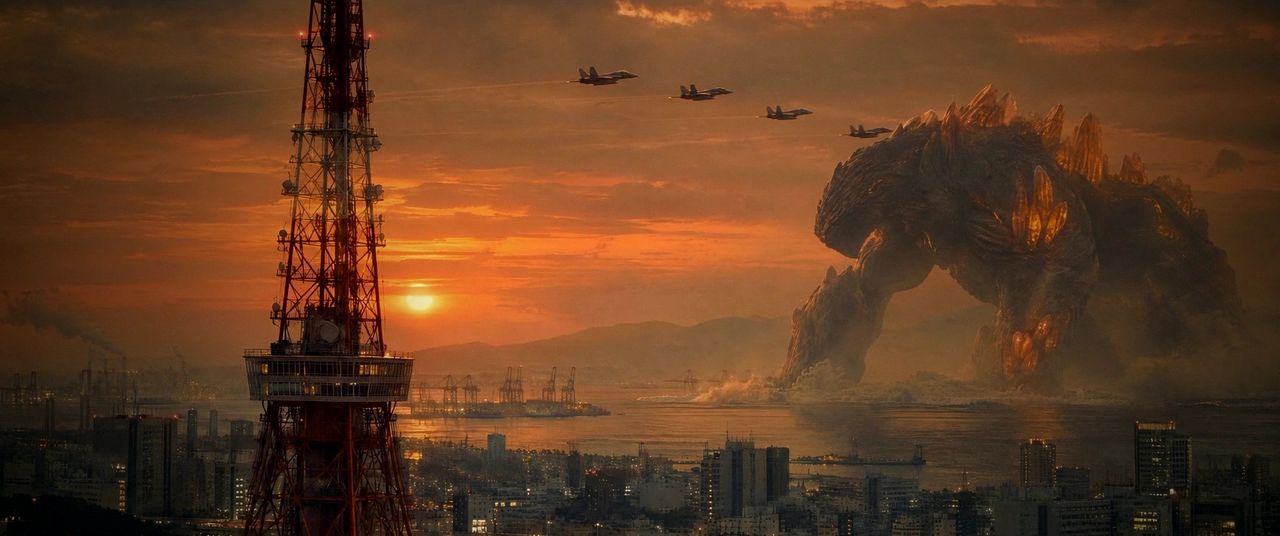
Slept beneath Ginza
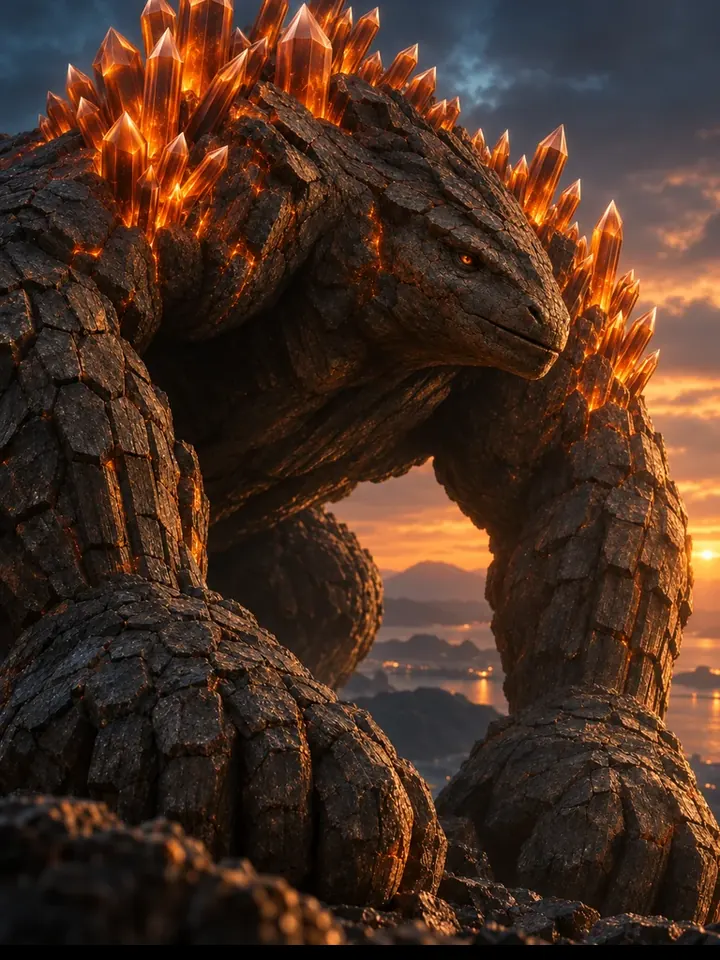
The oldest crystal beast
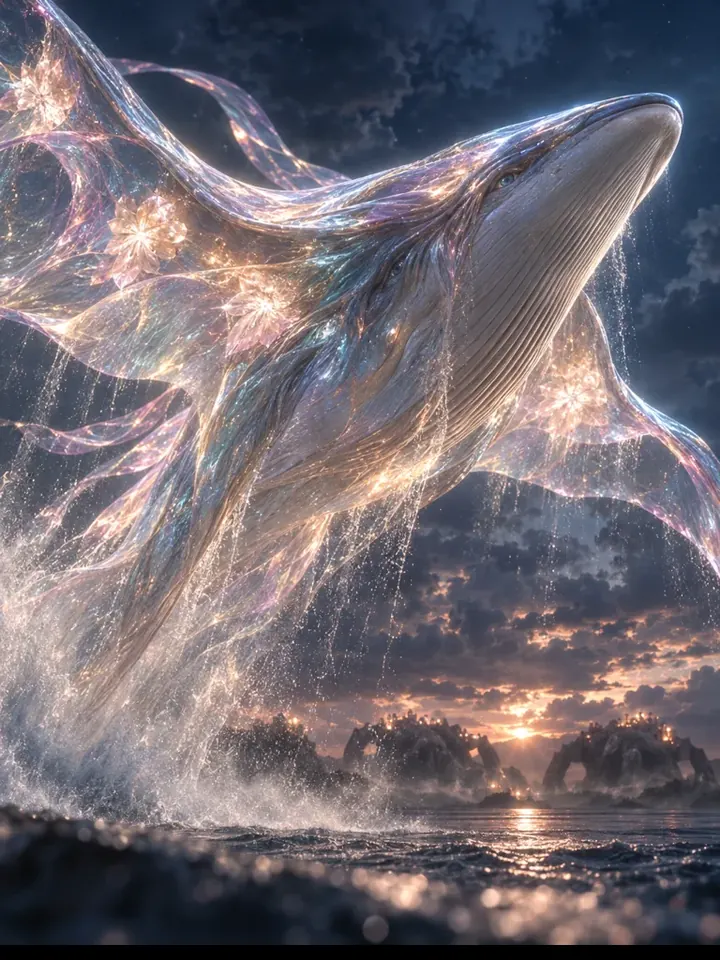
Guardian of the sea
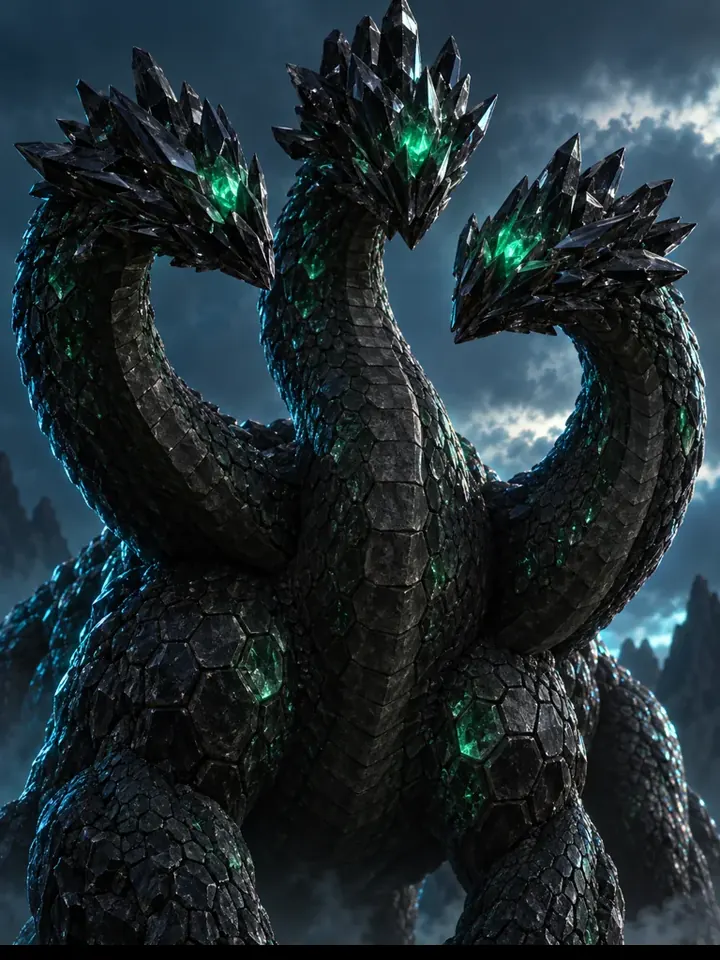
Three-headed dragon
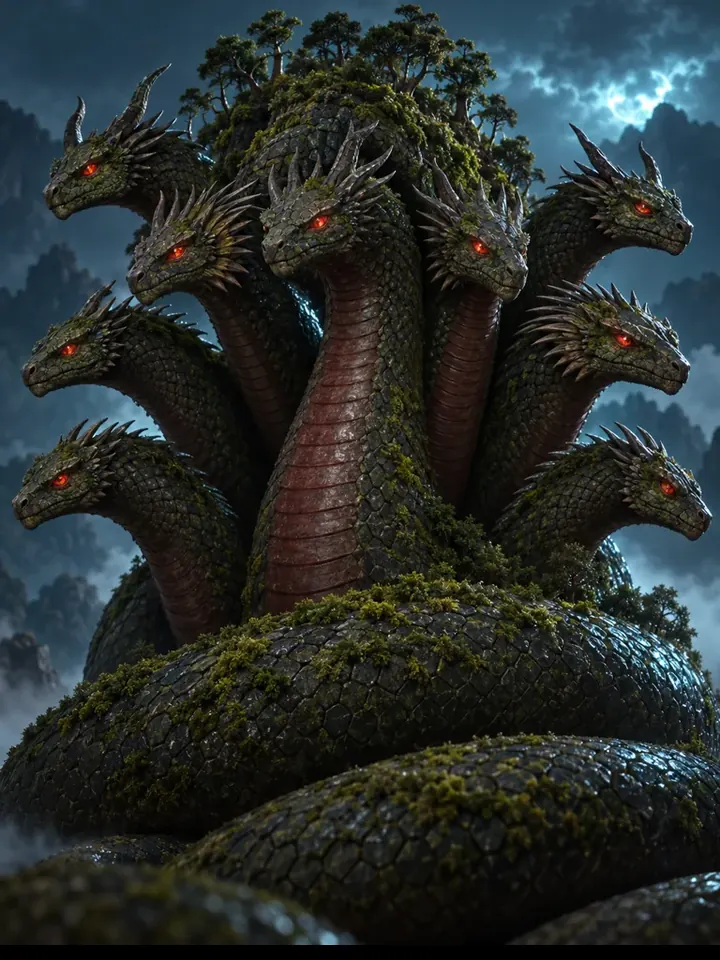
Eight heads
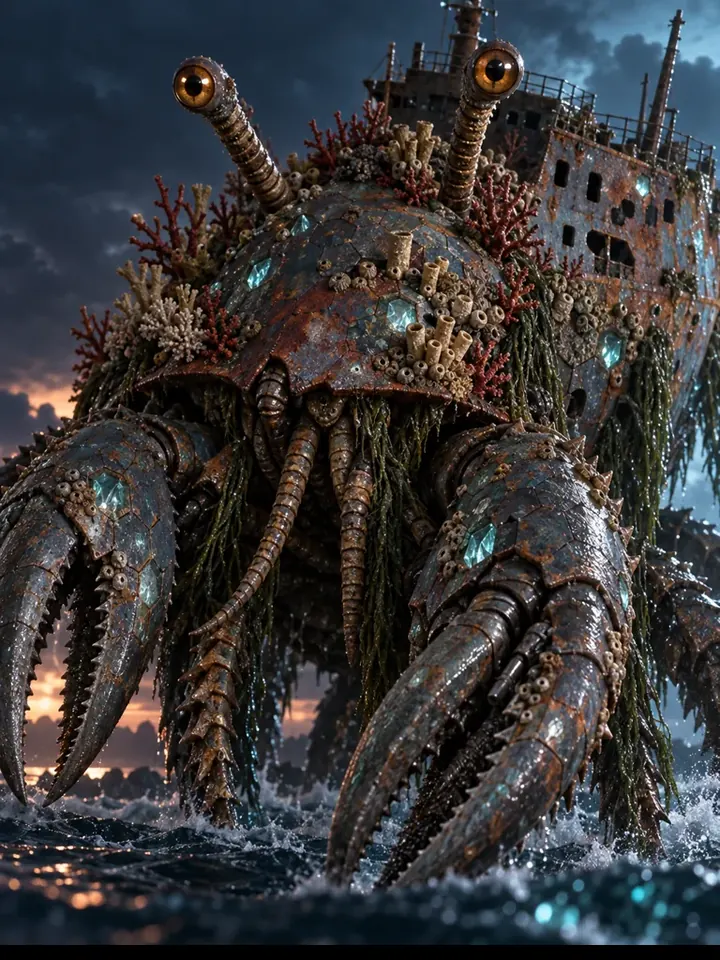
Crab beast carrying a freighter
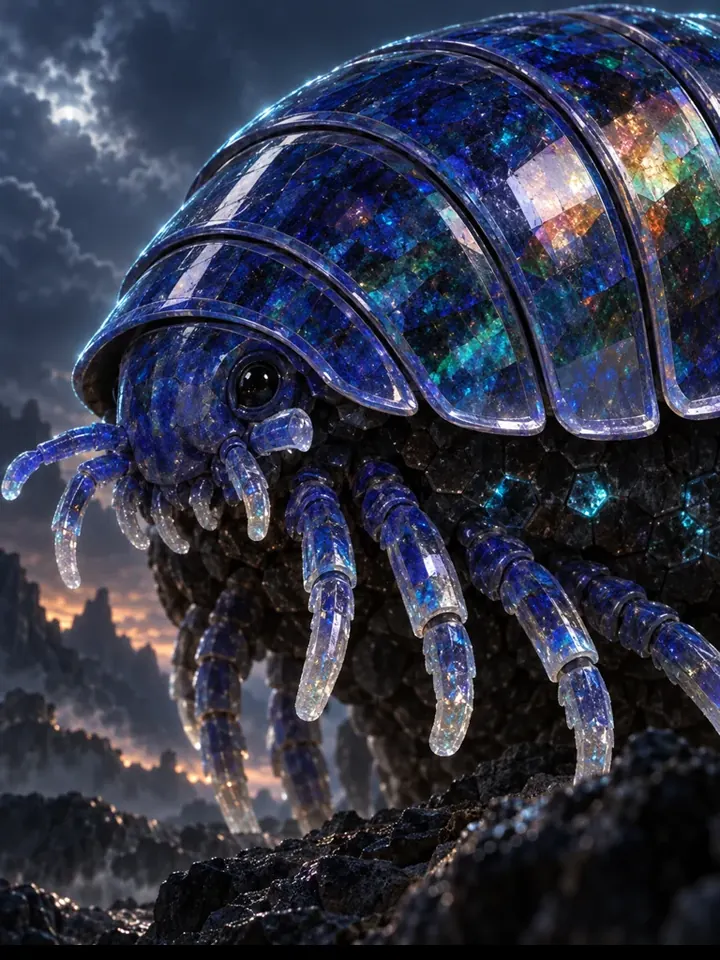
Crystal bug

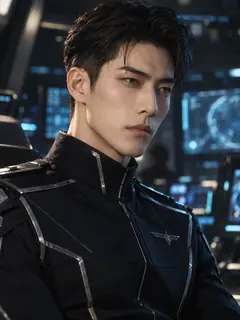

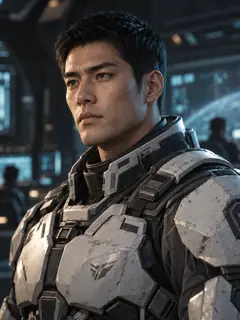

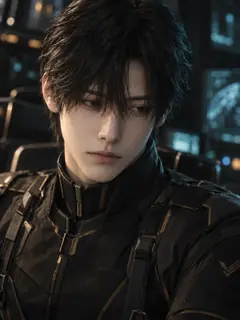
From the opening and the clips between episodes.
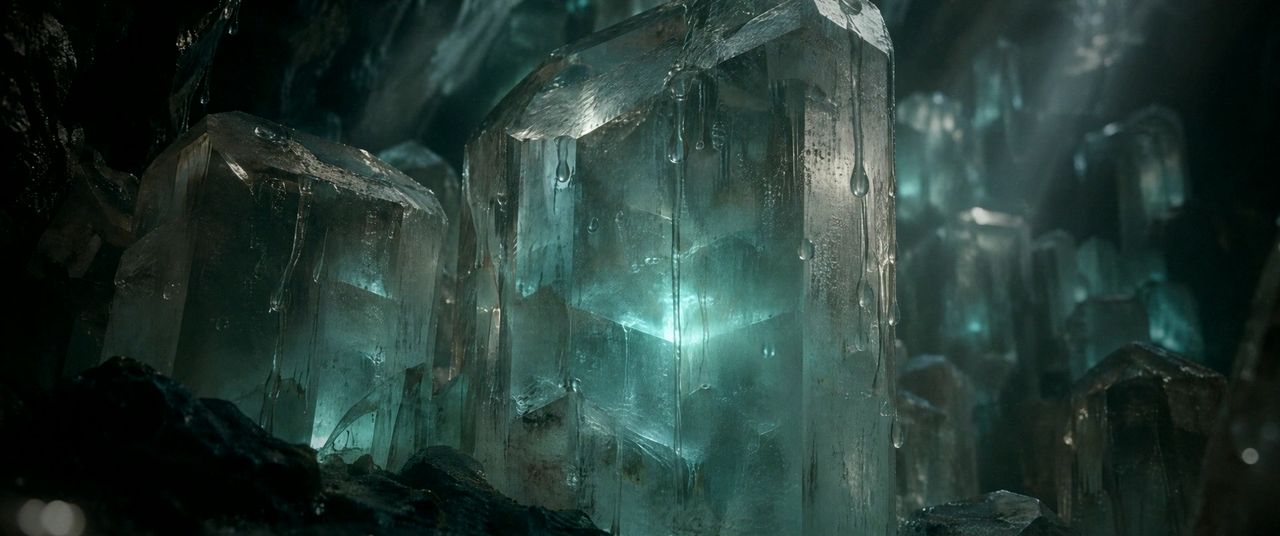
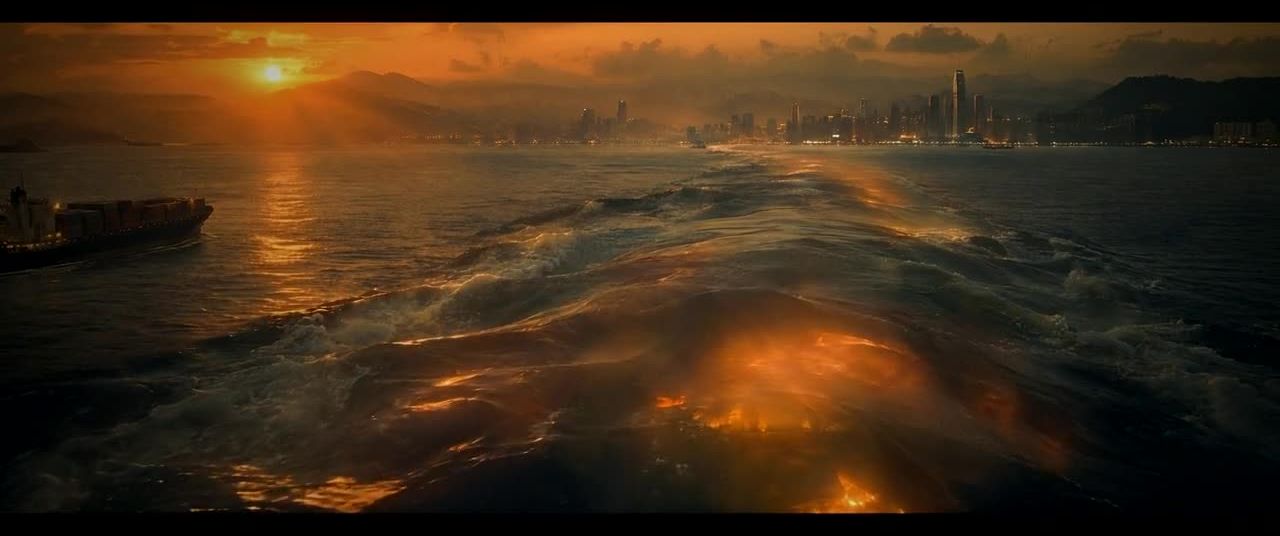
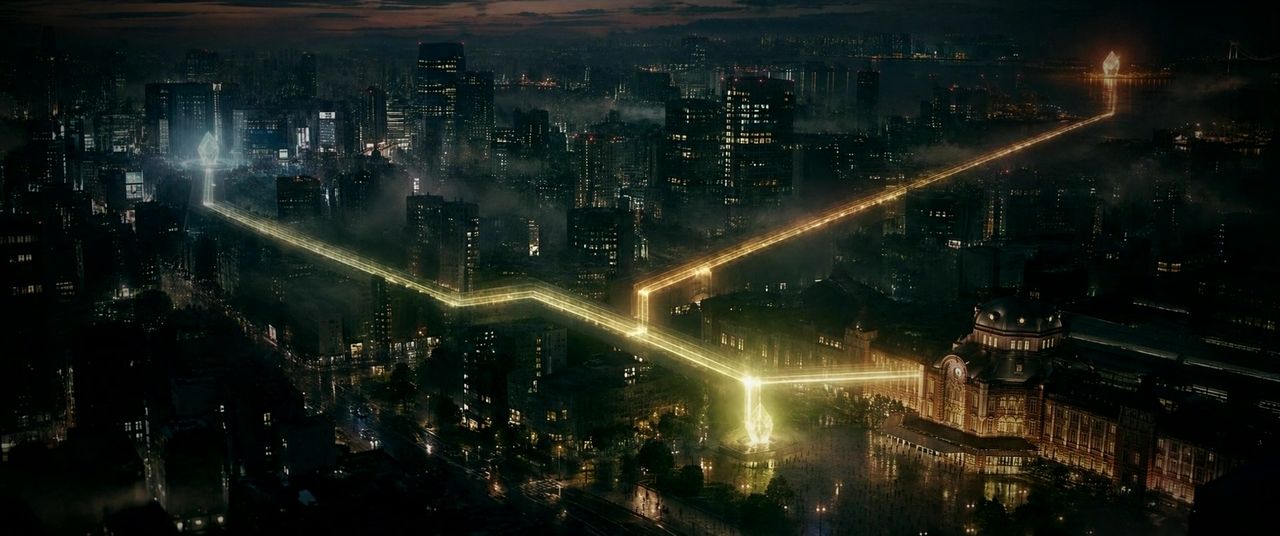
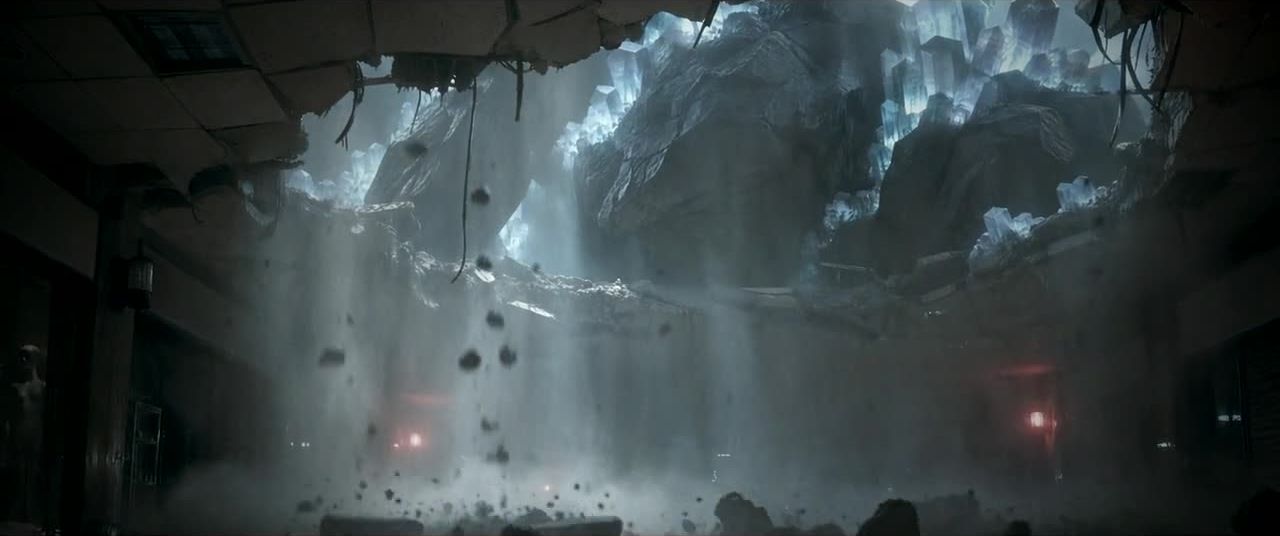
Heard at the start and end of the story. Listen in the videos (with sound).
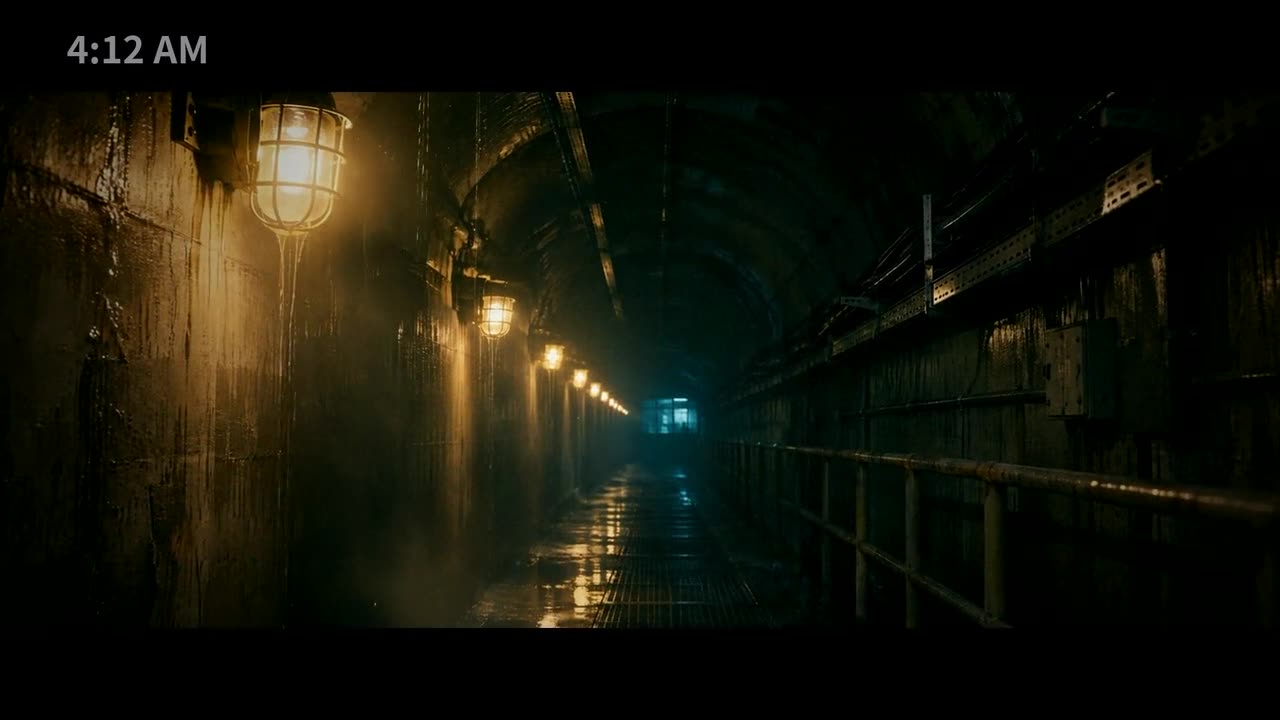
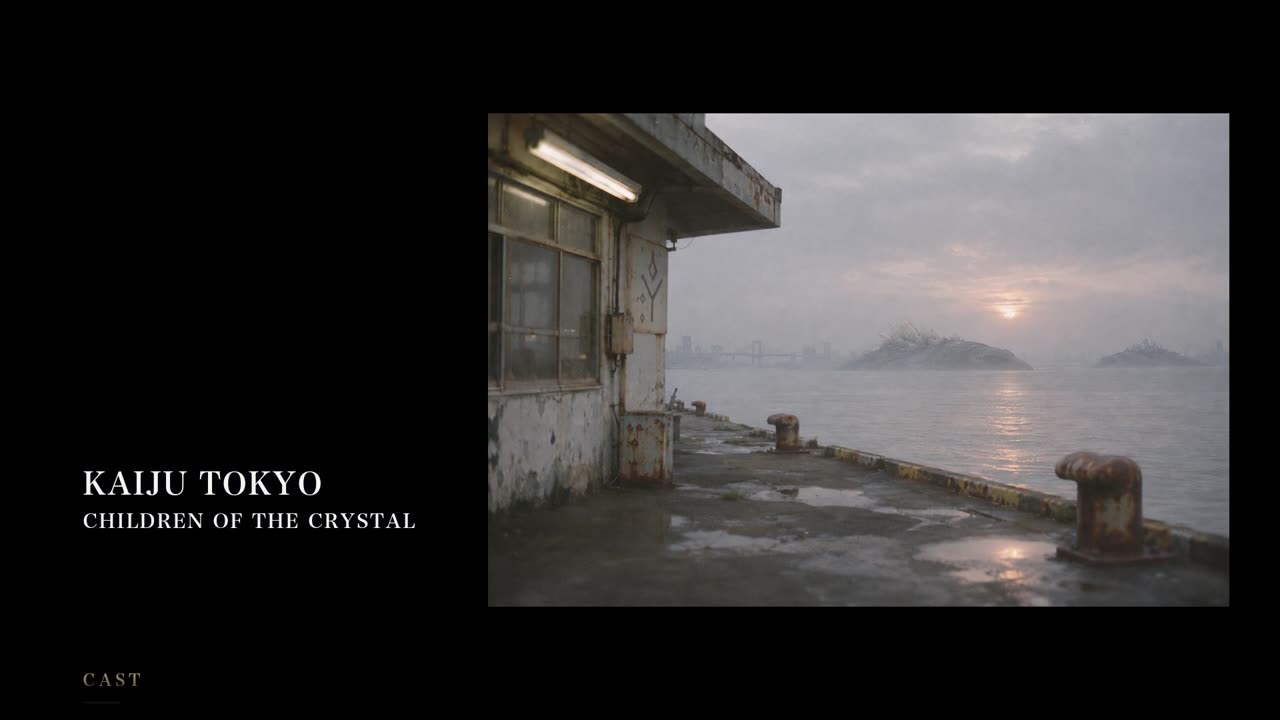
It begins the morning a crystal egg hatches under Tokyo Station.
12 episodes · Fully voiced · All free
Your choices and mission results decide which ending you reach. Three of them stay unnamed here.
Story ModePlay from Episode 112 episodes · Fully voiced · All freeFree Play
Missions take place in Tokyo, Osaka, Nagoya and more, built from real maps and 3D city models. The videos in this section are recorded straight from the game screen.
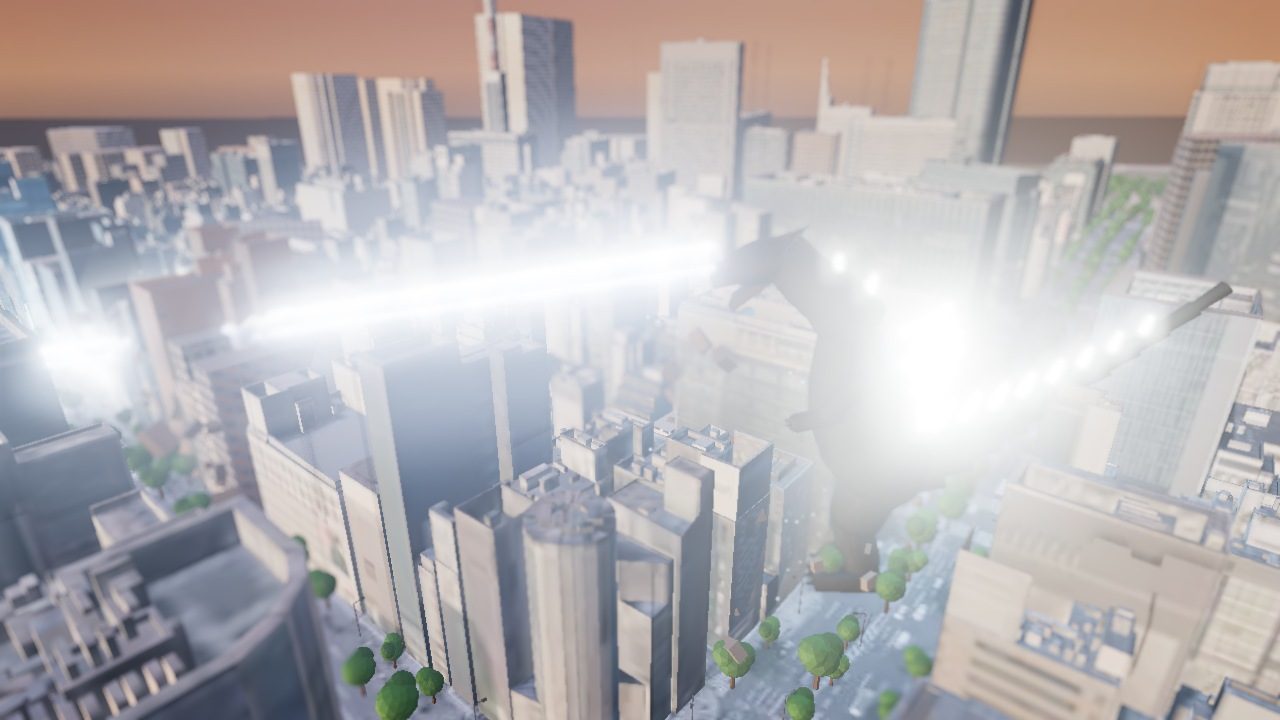
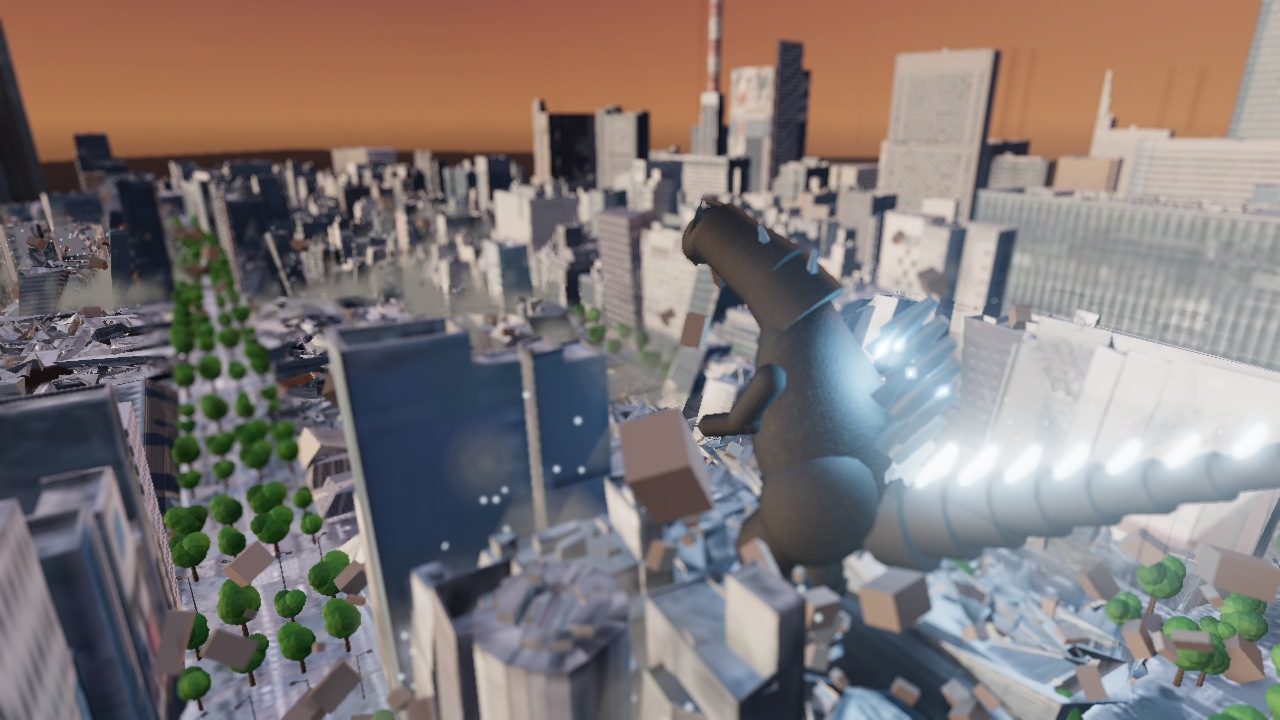
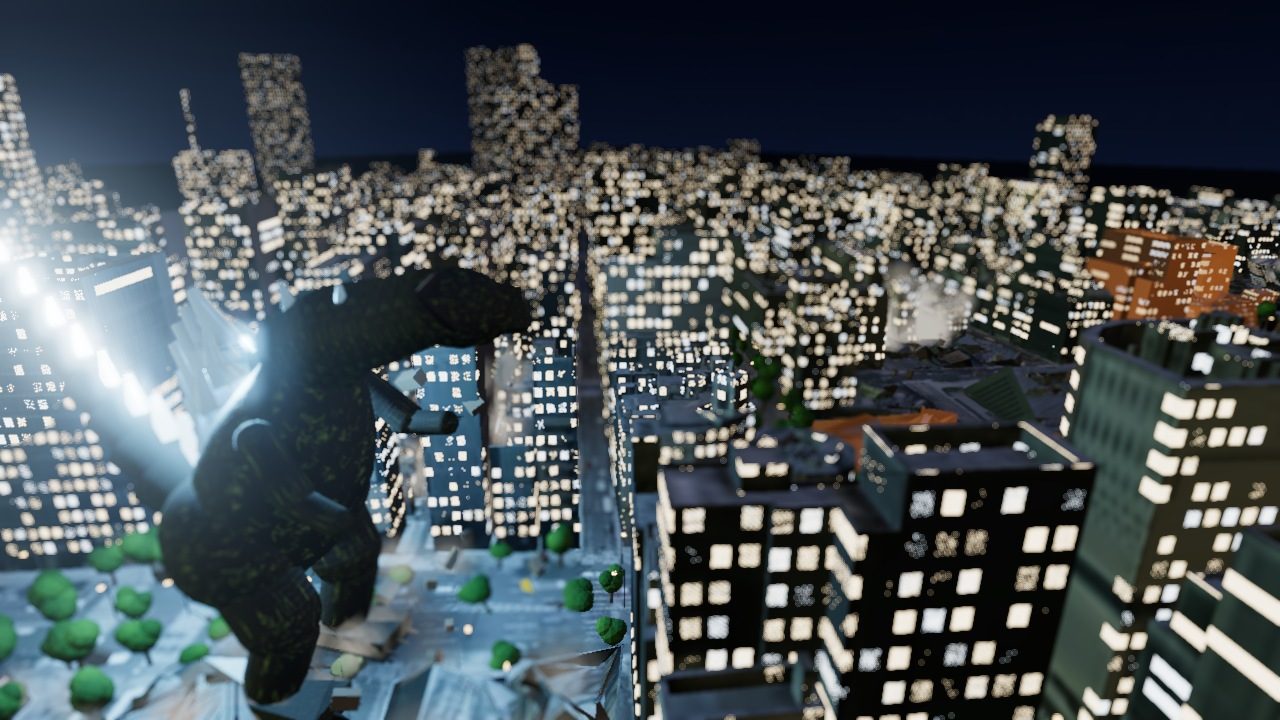
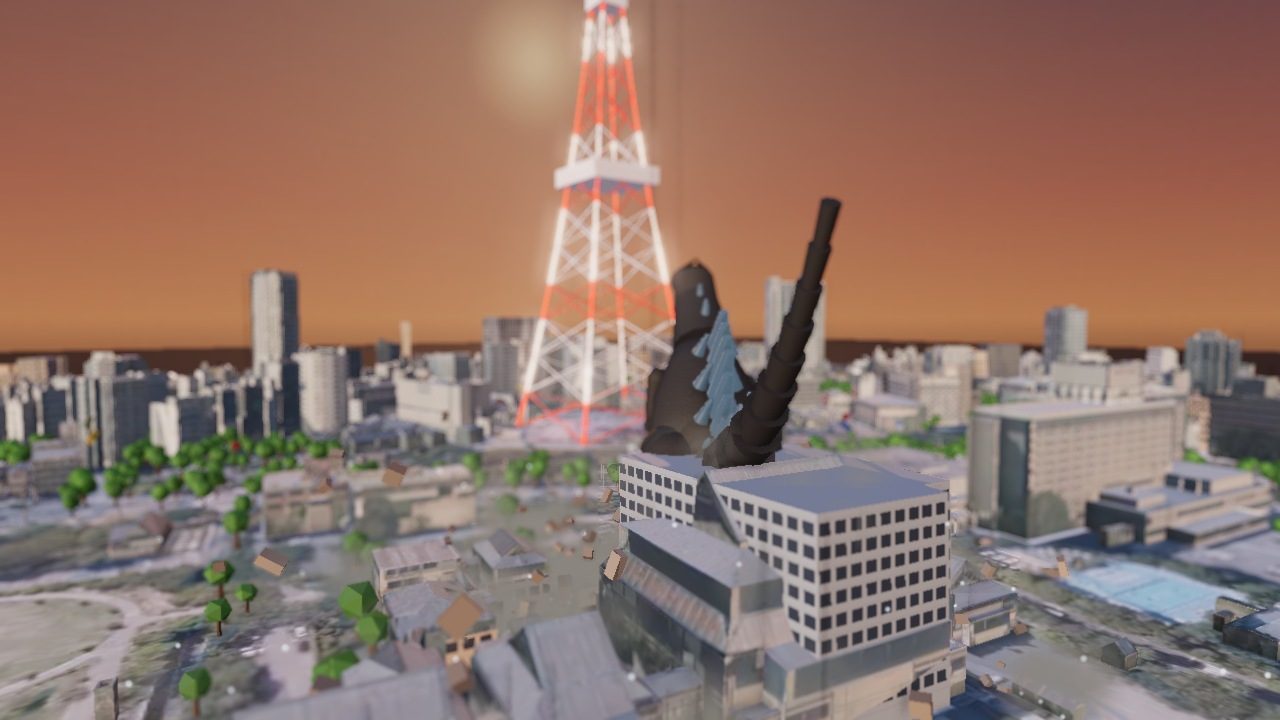
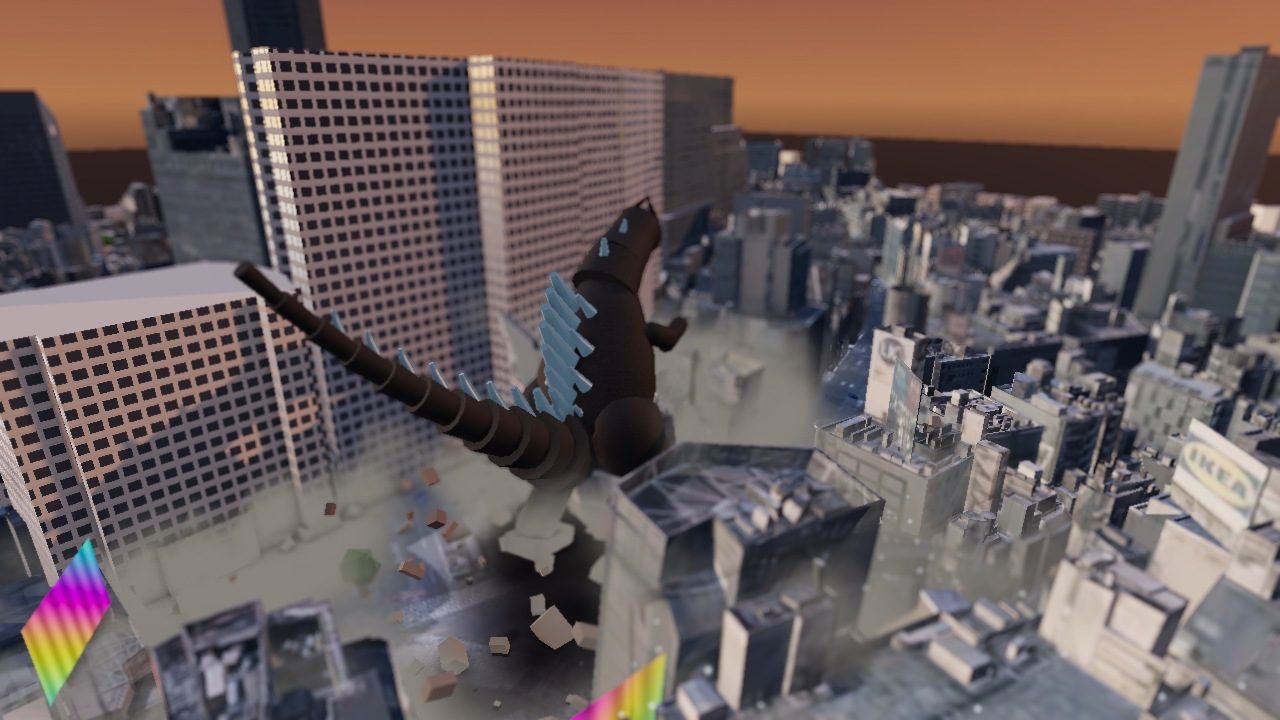
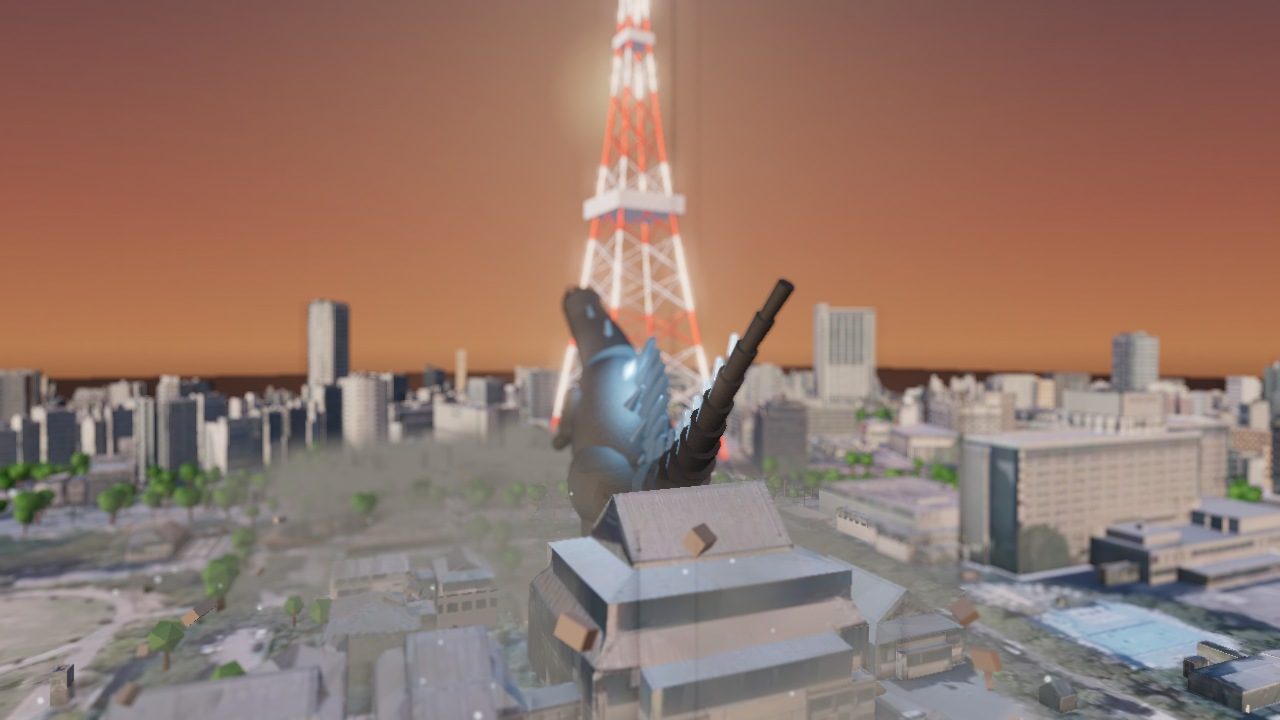
Ginza is free. Other areas: open with DREAM.
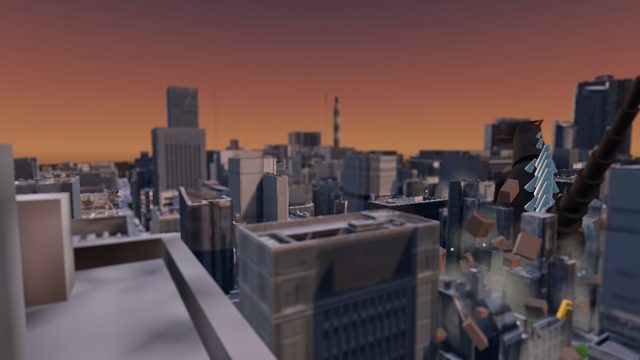
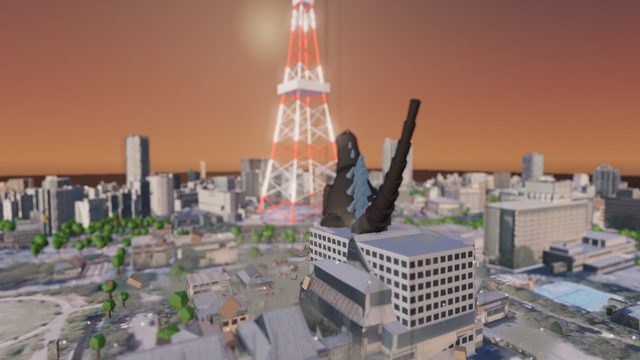
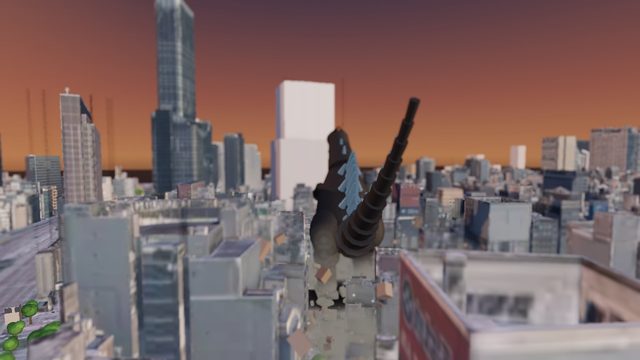
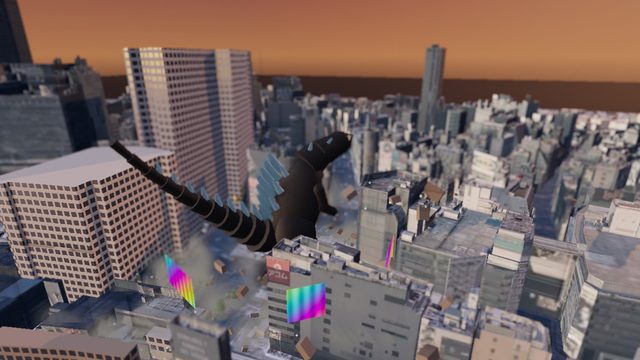
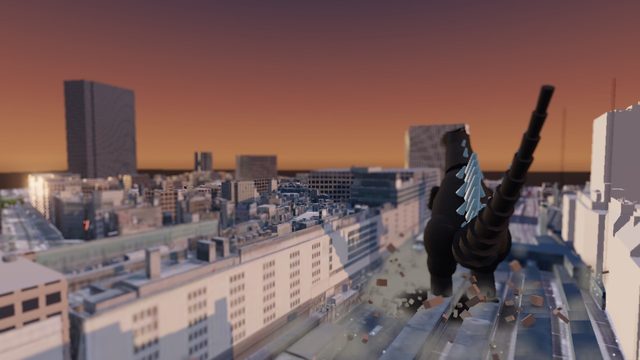
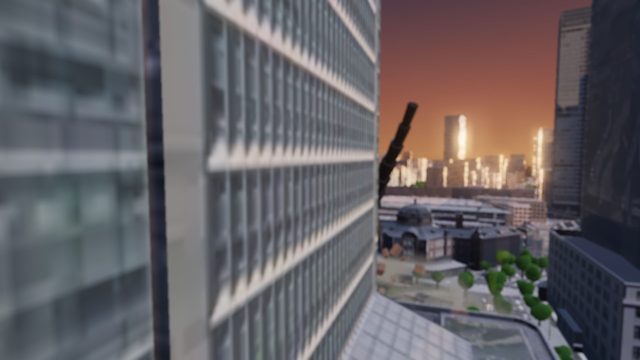
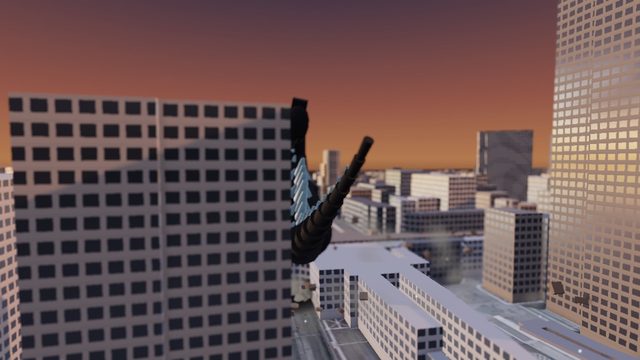
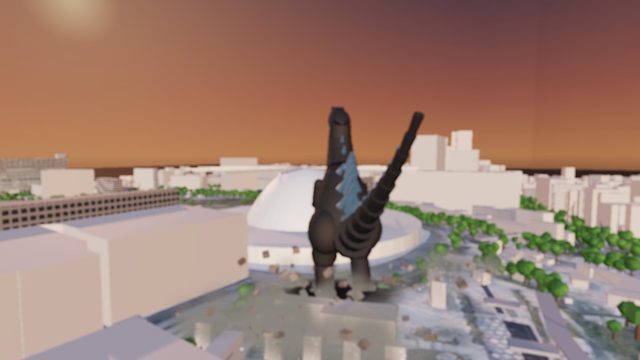
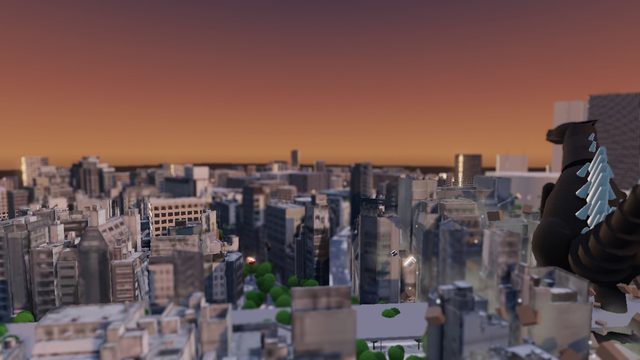
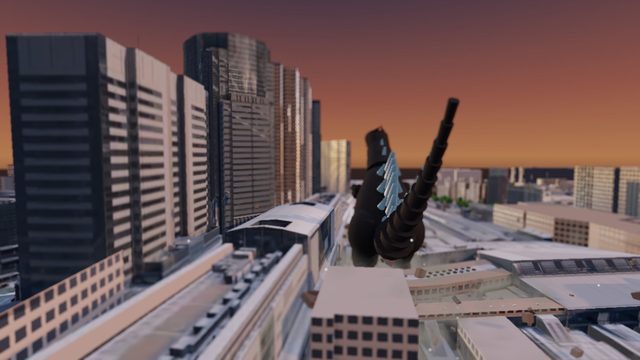
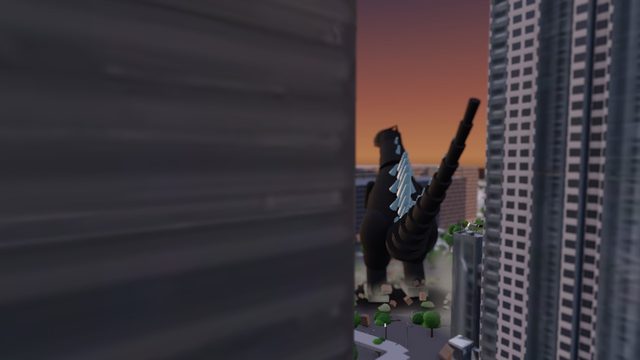
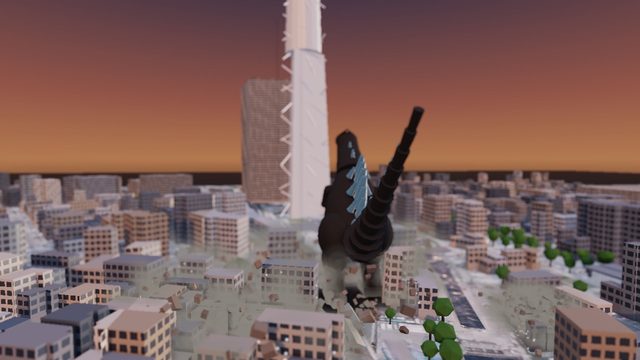
The real researcher-mode screen: type an order, read the kaiju's inner voice, then watch it act in the city.
| W A S D | Walk |
|---|---|
| Shift | Run |
| Mouse | Look around |
| Hold right click / F | Charge and fire the heat beam |
| Space | Stomp |
| Left click / E | Tail swing |
| R | Roar |
| N | Switch dusk / night |
| Left side of the screen | Drag to walk |
|---|---|
| Right side of the screen | Drag to look around |
| Beam / stomp / tail / roar | Tap the buttons (hold the beam button to charge) |
Use the quality button (画質) at the top right to make it lighter; it starts on auto.
Yes. All 12 episodes of Story Mode are free. Episode 1 needs no account; from episode 2 a free account lets you play the first playthrough to the end. Free play in Ginza is free too. DREAM is used for a second playthrough on Normal (the hardest difficulty stays free), orders in researcher mode, online battles and more; the price is shown first. Other areas: open with DREAM.
Yes. The 12-episode story KAIJU TOKYO — CHILDREN OF THE CRYSTAL follows a researcher at Lab 7, the kaiju and six pilots. Your choices and mission results change the ending, and there is a true ending. How you talk to people changes who you fall for. Episode 1 needs no account; from episode 2 a free account makes the first playthrough free. A second playthrough on Normal uses DREAM per episode (the hardest difficulty stays free).
The main story, KAIJU TOKYO — CHILDREN OF THE CRYSTAL, has 12 episodes and 10 endings, including a true ending and a hidden one. Your choices and mission results decide the ending, and any ending can be reached on the first playthrough. A second playthrough keeps the endings you have seen and your bonds, so you can aim for another one.
Yes. In online battles you fight another player's kaiju in the same city: create a room and send the invite URL, or find an opponent. You need to sign in, and each match uses DREAM (the price is shown first). Your first match from an invite URL is free.
Yes, in the browser on iPhone and Android. Drag on the left side to walk, drag on the right side to look around, and tap the buttons for the beam, stomp, tail and roar. Quality adjusts to your device automatically and can be changed with the 画質 button at the top right.
33 areas: Tokyo (Ginza, around Tokyo Tower, Shinjuku, Shibuya Scramble, Ikebukuro, Marunouchi, Akihabara, Korakuen, Roppongi, Shinagawa, Odaiba, Oshiage), Osaka, Nagoya, Kyoto, Yokohama, Sapporo, Fukuoka, Kobe, Sendai, Hiroshima, Nagasaki, Naha, New York, Paris, London, Dubai and Shanghai. Ginza is free; other areas: open with DREAM.
Orders in researcher mode (each order), faster heat-beam charging and more. Other areas: open with DREAM. DREAM is the credit shared by AI BunCho and OTHERLIFE (roughly 1 DREAM ≈ 1 yen). A device without an account gets trial DREAM once.
No install. Open the page and play in the browser. Free play in Ginza and episode 1 of the story need no account; from episode 2 the story needs a free account (the first playthrough stays free to the end). When DREAM is used, it comes from your account if you are logged in, or from this device's trial DREAM if not.
Yes. Building positions, shapes and heights come from the Project PLATEAU 3D city models, streets and blocks from OpenStreetMap, and the ground from aerial photos by the Geospatial Information Authority of Japan.
Yes. The game and the story can be shown in English (also Spanish, Portuguese, Korean and Chinese) from 言語 / Language. The controls are the keys and buttons listed on this page.
Recent versions of Chrome, Safari, Edge and Firefox. If it feels heavy, lower the quality with the 画質 button at the top right.
The city is built from real map data and 3D city models.
This is a work of fiction. All characters, groups, organizations and events are fictional and unrelated to any real ones. The cities are based on real maps.
BunCho (pronounced "boon-cho" — Japanese for "Java sparrow"). Our mascot Mochi is a white Java sparrow.
Next step
Free to sign up. A template opens with sample text in every field, ready to rewrite.